A Manifesto for Post-Symbolic Jewelry
Sep 20, 2025
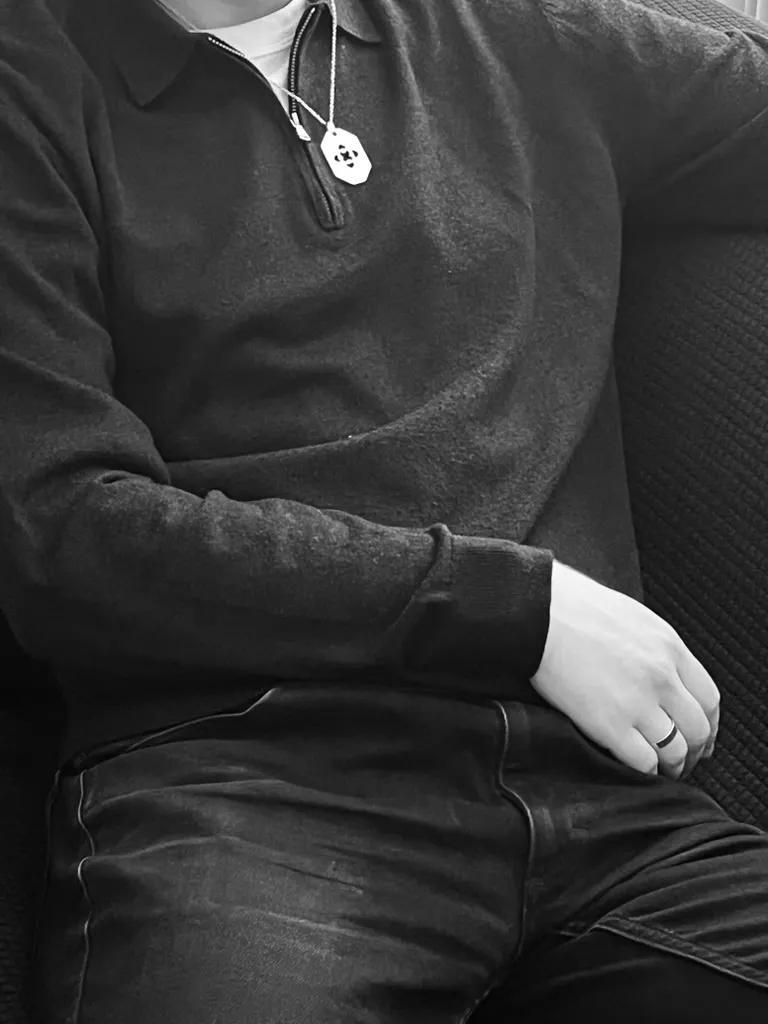
Gold rules jewelry. Silver follows close behind. Diamonds sparkle on top of the hierarchy, emeralds and rubies claim their spots below. This is the order we’ve inherited, the symbolic language we speak without question. But here’s the uncomfortable truth: these materials offer no functional advantage in modern jewelry. None. They persist because of social inertia, not because they serve us better. Jewelry has always been about more than adornment. For millennia, it spoke in the language of power and status. Gold meant wealth because it was rare and didn’t corrode. Silver indicated nobility because it was precious yet accessible. Gemstones displayed prestige through their rarity and the effort required to obtain them.
This symbolic system made sense in a world of scarcity. When materials were genuinely difficult to obtain, their rarity translated into real value. When craftsmanship was limited to a few skilled artisans, the complexity of working with precious metals justified their elevated status. Today, we mine gold industrially, we synthesize diamonds in laboratories. We can create materials with properties that surpass anything nature produced randomly over geological time. Yet we still cling to the old symbols as if they hold some essential truth.
Let’s examine gold honestly. Strip away the cultural mythology and look at its actual properties as a material for jewelry.
Gold is soft. Pure gold is so malleable you can dent it with your fingernail. That’s why in jewelry gold is always alloyed with other metals — to give it strength. Even then, gold jewelry scratches, wears thin, and requires careful handling. Gold is also reactive with skin chemistry: it can cause discoloration and irritation. The very purity we associate with gold becomes a liability in contact with human bodies. It remains expensive not because it performs better, but because we’ve agreed it should be expensive. The price reflects artificial scarcity and cultural conditioning, not superior function. Silver fares no better under scrutiny. It tarnishes. It oxidizes. It requires constant maintenance to maintain its appearance. Leave a silver ring in a drawer for months and it emerges dark and dull. This is not the behavior of a superior material.
These are the materials we’ve elevated to the pinnacle of jewelry design. Materials that fail at basic durability, require constant care, and cost exponentially more than alternatives that outperform them in every measurable way. The emperor has no clothes. Our precious metals have no functional advantage.
Post-Symbolism starts with a simple question: what if jewelry value was based on how well it serves its purpose, rather than what it symbolizes? This isn’t about rejecting beauty or craftsmanship. It’s about honest evaluation of materials based on their actual properties. It’s about designing for the world we live in now, not the world we inherited symbols from. Consider stainless steel 316L — a material that demonstrates Post-Symbolic principles perfectly. For example, stainless steel 316L is hypoallergenic. Unlike gold or silver, it doesn’t react with skin chemistry or cause irritation. It’s genuinely compatible with the human body it touches. It’s completely stainless. The clue is in the name. No tarnishing, no oxidation, no gradual degradation of appearance. It looks the same after years of wear as it did on day one. It’s incredibly durable. Stainless steel 316L can withstand impacts, pressure, and environmental conditions that would damage traditional precious metals. It’s the material of choice for medical implants — devices that must perform flawlessly inside human bodies for decades. And it’s affordable. Not because it’s inferior, but because we haven’t artificially inflated its price through cultural conditioning.
This is what honesty of material looks like. The material does exactly what it promises, without pretense or symbolic baggage. Post-Symbolism liberates jewelry design from archaic hierarchies. When materials are chosen for function rather than status, designers can focus on form, innovation, and real human needs. No more apologizing for “alternative” materials. No more justifying why something isn’t gold or silver. No more designing around the limitations of traditional precious metals. This shift changes everything about how we approach jewelry. Weight, texture, durability, comfort, maintenance — all become primary considerations rather than afterthoughts. The result is jewelry that truly serves life rather than performing status. Pieces designed for the bodies that will wear them, the activities they’ll experience, the real conditions of contemporary existence. Honest design. Design that admits what it is and delivers on what it promises.
We are living through a materials revolution. Titanium alloys stronger than steel. Ceramics harder than traditional gemstones. Synthetic materials with properties no natural substance can match. Composites that combine the best characteristics of multiple materials. Meanwhile, jewelry design remains trapped in the symbolic frameworks of ancient civilizations. Post-Symbolism resolves this contradiction. It opens jewelry design to the full spectrum of contemporary materials and manufacturing techniques.
Gold and silver become options among many, valued for their specific characteristics rather than their symbolic weight. They lose their automatic superiority and must compete on equal terms with all other materials. They are cultural fossils. Beautiful fossils, perhaps, but fossils nonetheless. They represent solutions to problems we no longer face, hierarchies we no longer need, scarcities we no longer experience. Post-Symbolism is my vision of the future of jewelry design. It’s a philosophy where materials are judged by function, truth, and contemporary relevance. Where beauty emerges from honesty rather than inherited codes.
The jewelry of tomorrow will be designed for the bodies, lives, and values of today. Materials will be chosen because they serve human needs, not because they satisfy ancient status systems. We don’t need permission from the past to create the jewelry of the future. We just need the courage to design honestly.
This isn’t just a design philosophy. It’s a declaration of independence from the tyranny of inherited symbols. It’s jewelry designed for life as we actually live it, not as we imagine our ancestors once did.